Referencing in modern research has evolved into a dynamic, blockchain-verified ecosystem where citations track real-time impact and the digital provenance of every idea.
A literature review is often misunderstood as a background section where researchers summarize previous studies. However, from an editor’s perspective, the literature review is not a summary section; it is a positioning document. It tells the editor where your research stands in the existing body of knowledge and why your study deserves to be published.
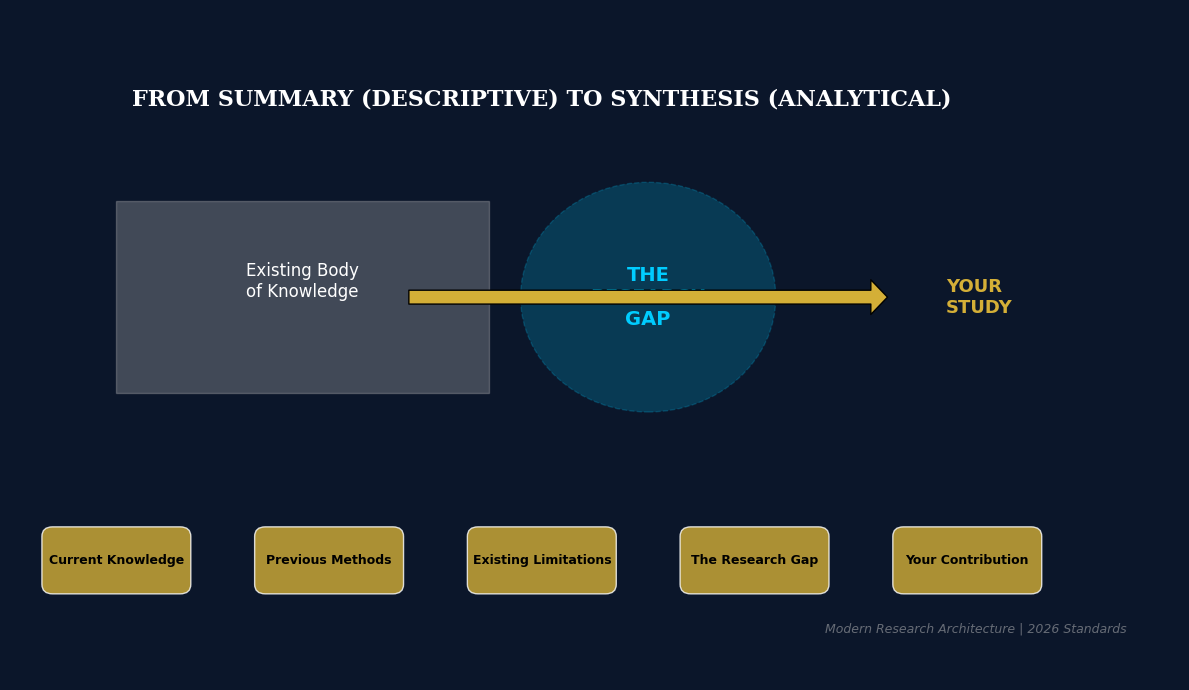
One of the most common mistakes researchers make is writing a descriptive literature review instead of an analytical one. A descriptive review lists what different authors have done. An analytical review explains what previous researchers have not done, what limitations exist in current studies, and where the research gap lies. Editors are not looking for a list of studies; they are looking for the research gap.
A strong literature review usually answers five important questions clearly, even if indirectly. What has already been studied in this area. What methods were used in previous studies. What limitations exist in those studies. What gap still exists in the literature. How the current study will fill that gap. If these five questions are not clear, the editor may feel that the paper does not have a strong contribution.
Another important factor is the quality and recency of sources. In modern academic publishing, journals expect researchers to cite recent and relevant literature, preferably from the last five years, especially in fast-moving fields. Citing outdated literature gives the impression that the research is not connected to current academic discussions. Editors want to see that the author understands the present research landscape, not just the historical background.
Structure also plays a crucial role. Many weak literature reviews are written author-by-author, which makes the review look like a summary list. Strong literature reviews are written theme-by-theme or problem-by-problem. This approach shows synthesis, not summary. It shows that the researcher understands the field and can organize knowledge logically.
Language and tone are equally important. A literature review should not sound like a student assignment. It should sound like a scholarly discussion. This means the writing should be analytical, comparative, and critical. Instead of writing “Many researchers studied social media,” a stronger academic tone would be “Existing studies on social media have primarily focused on user engagement and marketing outcomes, while limited attention has been given to long-term behavioral impact, creating a significant research gap.”
Editors often decide whether a paper will go to peer review after reading the abstract, introduction, and literature review. This means the literature review is not just a formal section of the paper; it is part of the editor’s decision-making process. A weak literature review suggests a weak research foundation, while a strong literature review signals that the researcher understands the field and is contributing something meaningful.
Experienced researchers do not write literature reviews to show how much they have read. They write literature reviews to show how their research is necessary. That difference in mindset is what makes editors take a literature review seriously.
Final Insight
If the methodology explains how you did the research, and the results explain what you found, then the literature review must explain why the research needed to be done in the first place. And in academic publishing, the “why” is often more important than the “what.”